
Common Kitchen Remodeling Mistakes (And How to Avoid Them)
When it comes to kitchen remodeling, tile selection is one of the most important decisions you’ll make—especially in wet areas like showers, tub surrounds, and kitchen floors. The right tile doesn’t just look good; it prevents water damage, improves safety, and extends the life of your kitchen.
In this guide, we’ll break down the best tile materials for wet areas, what to avoid, and how professional installation makes all the difference.
Why Tile Choice Matters in Wet Areas
Kitchens are constantly exposed to moisture, humidity, and temperature changes. Poor tile choices—or improper installation—can lead to:

Mold and mildew growth
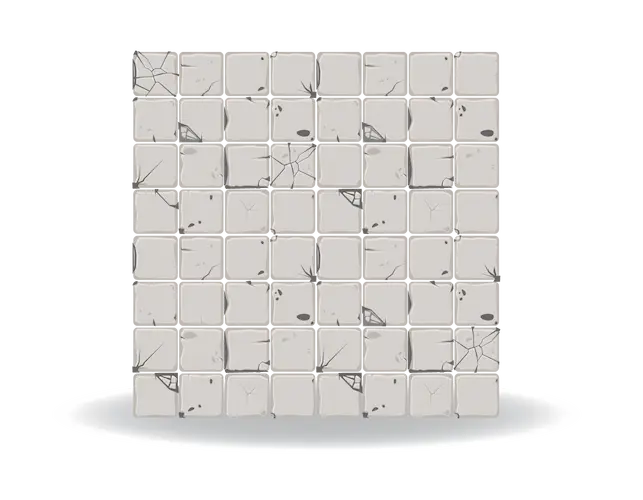
Cracked or loose tiles

Water seeping into walls or subfloors

Costly repairs down the road
That’s why choosing water-resistant, durable, and slip-safe tile materials is essential for long-term performance.
Best Tile Materials for Kitchen Wet Areas
Porcelain Tile (Best Overall Choice)
Porcelain tile is one of the most popular options for kitchens—and for good reason.
Why it works:
- Extremely low water absorption
- Dense and durable
- Resistant to stains and scratches
- Available in countless styles (stone, wood, concrete look)
Best used for:
Showers, floors, tub surrounds, and walls

Pro tip: Choose textured or matte porcelain for kitchen floors to reduce slipping.
Ceramic Tile (Budget-Friendly & Versatile)
Ceramic tile is slightly more porous than porcelain but still performs well in most kitchen areas when installed correctly.
Why it works:
- Affordable and widely available
- Easy to clean and maintain
- Great design variety
Best used for:
Shower walls, backsplashes, and low-traffic kitchen floors
Pro tip: Ceramic tile is best for walls rather than floors in high-moisture zones.
Natural Stone Tile (Luxury Look with Extra Care)
Natural stone adds elegance but requires proper sealing and maintenance.
Why homeowners love it:
- High-end appearance
- Unique patterns
- Boosts home value
Best used for:
Feature walls, shower floors (textured stone), accent areas
Pro tip: Stone must be sealed regularly to prevent water absorption and staining.
Glass Tile (Stylish Accent Option)
Glass tile is non-porous and visually stunning, making it perfect for accent areas.
Why it works:
- Completely waterproof
- Reflects light, making small kitchens feel larger
- Mold and stain resistant
Best used for:
Accent walls, shower niches, backsplashes
Pro tip: Not recommended for floors due to slipperiness and installation complexity.
Mosaic Tile (Excellent for Shower Floors)
Mosaic tiles are small tiles mounted on sheets, often used where drainage and traction matter most.
Why it works:
- More grout lines = better slip resistance
- Flexible for sloped shower floors
- Works well with complex layouts
Best used for:
Shower floors, shower niches, curved surfaces
Pro tip: Use small, textured mosaic tiles on shower floors for better grip and drainage, and seal the grout properly to prevent stains and mold.
What Our Clients Say
“Professional, efficient, and high-quality work.”
From the layout to the finishes, everything was thoughtfully planned and beautifully executed. The team kept us informed throughout the entire process and delivered exactly what they promised. We couldn’t be happier with the result.
Sarah Thompson
Waterbury, Connecticut
“Professional, efficient, and high-quality work.”
From the layout to the finishes, everything was thoughtfully planned and beautifully executed. The team kept us informed throughout the entire process and delivered exactly what they promised. We couldn’t be happier with the result.
Sarah Thompson
Waterbury, Connecticut
“Professional, efficient, and high-quality work.”
From the layout to the finishes, everything was thoughtfully planned and beautifully executed. The team kept us informed throughout the entire process and delivered exactly what they promised. We couldn’t be happier with the result.
Sarah Thompson
Waterbury, Connecticut
Tiles to Avoid in Wet Kitchen Areas
Not all tile materials are kitchen-friendly.
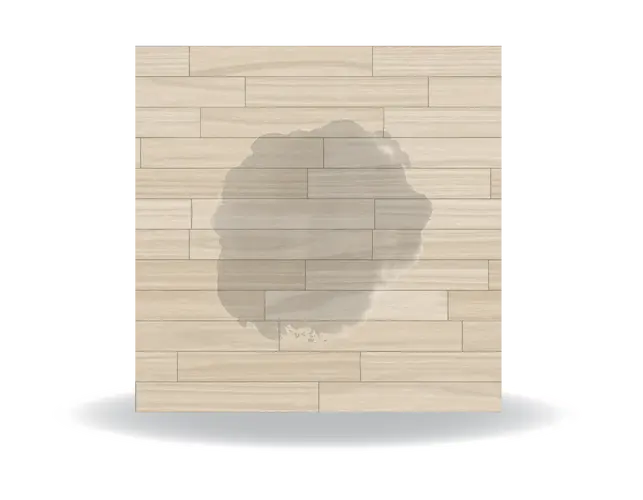
Wood tile (real wood)
absorbs moisture

Unglazed stone
stains easily

Polished tile on floors
slippery when wet
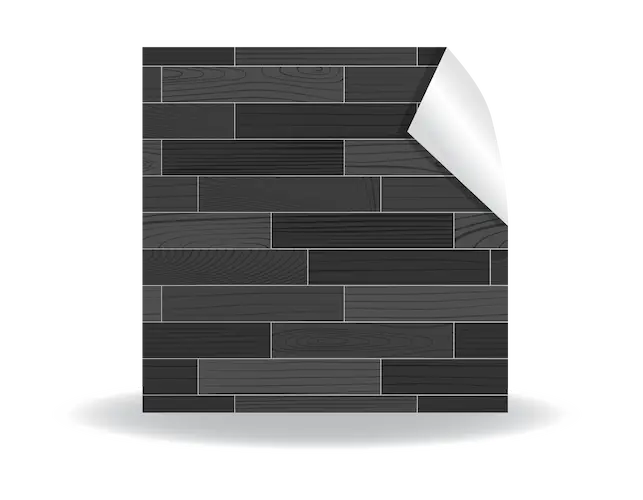
vinyl near showers
peels off
Choosing the wrong material can shorten the lifespan of your remodel.
Choosing the Right Tile for Your Kitchen
When selecting tile for wet areas, consider:
- Slip resistance (especially for floors)
- Water absorption rating
- Maintenance requirements
- Style and overall kitchen design
- Budget and long-term durability
A professional remodeler can help you balance function, style, and cost.
Final Thoughts
The best kitchen tile materials for wet areas are those that combine water resistance, durability, and safety. Porcelain tile remains the top choice for most homeowners, while ceramic, stone, glass, and mosaic tiles each serve specific purposes when used correctly.
If you’re planning a kitchen remodel, choosing the right tile—and installing it properly—can save you thousands in future repairs.
Instant Project Estimate
Get a quick, real-time cost estimate
in just a few clicks
Use our easy-to-use calculator to receive an instant estimate for your construction, renovation, or addition project. Simply enter a few details about your space and scope, and get a clear price range—no waiting, no obligation. It’s a fast and convenient way to plan your budget before speaking with our team.


Ready to Upgrade Your Kitchen Tile?
If you’re considering a kitchen tile installation or full remodel, working with an experienced professional ensures your wet areas are built to last.
Contact us today for expert guidance, material selection, and flawless installation.